Ever wondered why your server crashes or your app slows down? A solid system monitor is the unsung hero behind smooth IT operations. It’s not just about tracking CPU usage—it’s about staying ahead of disasters before they strike.


What Is a System Monitor and Why It Matters

A system monitor is a software tool or hardware device designed to continuously observe and analyze the performance, availability, and health of computer systems, networks, and applications. In today’s digital-first world, where downtime can cost businesses thousands per minute, having a reliable system monitor isn’t optional—it’s essential.
Core Functions of a System Monitor
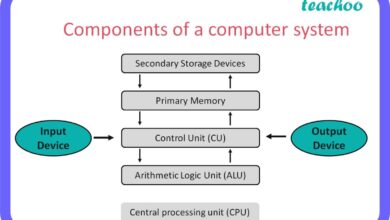
At its heart, a system monitor performs real-time tracking of key system metrics. These include CPU utilization, memory consumption, disk I/O, network bandwidth, and process activity. By collecting and analyzing this data, system monitors help administrators detect anomalies, predict failures, and maintain optimal performance.
- Real-time performance tracking
- Alert generation for threshold breaches
- Historical data logging for trend analysis
For example, tools like Nagios provide comprehensive monitoring capabilities that allow teams to visualize system behavior over time and respond proactively.
Types of System Monitoring
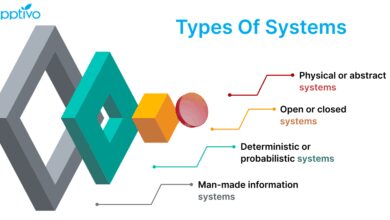
System monitoring isn’t a one-size-fits-all solution. It comes in various forms depending on the infrastructure and objectives. Common types include host-based monitoring, network monitoring, application performance monitoring (APM), and cloud monitoring.
- Host-based: Monitors individual servers or workstations
- Network-based: Tracks bandwidth, latency, and packet loss
- Application-level: Focuses on software performance and user experience
“Monitoring is not about collecting data—it’s about making data actionable.” — DevOps Engineer, Google
Top 7 System Monitor Tools in 2024
The market is flooded with monitoring solutions, but only a few stand out in terms of reliability, scalability, and ease of use. Below are seven of the most powerful system monitor tools available today, each catering to different environments and technical needs.
1. Nagios XI – The Industry Standard
Nagios XI remains one of the most trusted open-source system monitor platforms. Known for its flexibility and extensive plugin ecosystem, it supports monitoring across physical, virtual, and cloud environments.
- Supports thousands of plugins via Nagios Exchange
- Customizable dashboards and reporting
- Active community and enterprise support options
Its ability to integrate with SNMP, WMI, and custom scripts makes it ideal for heterogeneous IT environments. Learn more at Nagios XI official site.
2. Zabbix – Scalable and Open Source
Zabbix is a robust, enterprise-grade system monitor that excels in scalability. It can handle tens of thousands of devices from a single server, making it perfect for large organizations.
- Built-in auto-discovery of network devices
- Advanced alerting and correlation engine
- Supports distributed monitoring via proxies
With native support for Docker and Kubernetes, Zabbix has evolved into a modern monitoring powerhouse. Visit Zabbix.com to explore its full capabilities.
3. Datadog – Cloud-Native Powerhouse
Datadog is a SaaS-based system monitor tailored for cloud environments. It offers seamless integration with AWS, Azure, GCP, and popular DevOps tools like Docker, Kubernetes, and Terraform.
- Real-time dashboards with drag-and-drop widgets
- AI-powered anomaly detection
- Log management and APM in one platform
Datadog’s strength lies in its unified observability approach, combining metrics, logs, and traces. Explore it at Datadoghq.com.
4. Prometheus – Ideal for DevOps Teams
Prometheus is an open-source system monitor born from the Cloud Native Computing Foundation (CNCF). It’s especially popular among Kubernetes and microservices users due to its pull-based model and powerful query language (PromQL).
- Pull-based metric collection over HTTP
- Highly dimensional data model
- Strong integration with Grafana for visualization
Prometheus shines in dynamic environments where services are ephemeral. Get started at Prometheus.io.
5. PRTG Network Monitor – User-Friendly & All-in-One
Developed by Paessler, PRTG is a Windows-based system monitor that simplifies network and server monitoring through an intuitive interface.
- Sensor-based architecture (supports 200+ sensor types)
- Automatic discovery of devices and services
- Mobile app for remote monitoring
PRTG is ideal for small to mid-sized businesses looking for an easy-to-deploy solution. More info at Paessler.com.
6. SolarWinds Server & Application Monitor (SAM)
SolarWinds SAM is a comprehensive system monitor designed for deep application and server performance insights. It’s widely used in enterprise IT for its out-of-the-box templates and detailed diagnostics.
- Application stack monitoring (from OS to app layer)
- Database performance analyzer integration
- Customizable alerts and reports
While it faced security scrutiny in the past, SolarWinds has rebuilt trust with enhanced security protocols. Learn more at SolarWinds.com.
7. New Relic – Full-Stack Observability
New Relic offers a full-stack system monitor platform that covers infrastructure, applications, logs, and user experiences. Its cloud-based architecture makes deployment fast and scalable.
- Real user monitoring (RUM) for web apps
- AI-driven alerting with anomaly detection
- Free tier available for small teams
New Relic’s intuitive UI and powerful analytics make it a favorite among developers and SREs. Check it out at Newrelic.com.
Key Metrics Tracked by a System Monitor
A good system monitor doesn’t just collect data—it collects the right data. Understanding which metrics matter most can help you avoid information overload and focus on what truly impacts performance and reliability.
CPU Usage and Load Average
CPU utilization indicates how much processing power is being used. Consistently high CPU usage (above 80%) can signal bottleneeked processes or inefficient code. The load average, especially on Unix-like systems, shows the number of processes waiting for CPU time over 1, 5, and 15-minute intervals.
- Normal: Below 70% sustained usage
- Warning: Above 80% for extended periods
- Critical: 95%+ with high load average
Tools like htop and system monitor dashboards visualize this in real time.
Memory Utilization
Memory (RAM) monitoring helps detect memory leaks and over-allocation. A system monitor tracks both physical and virtual memory usage, including swap space.
- Free vs. used memory breakdown
- Page in/out rates indicating swap pressure
- Per-process memory consumption
Persistent high memory usage can lead to swapping, which drastically slows down systems.
Disk I/O and Latency
Disk performance is critical for databases and file servers. A system monitor measures read/write speeds, IOPS (Input/Output Operations Per Second), and latency.
- High latency (>10ms) may indicate storage bottlenecks
- Sudden spikes in write operations could signal log floods
- Disk queue length reveals I/O congestion
“If your disk is the bottleneck, no amount of CPU or RAM will save you.” — System Administrator, AWS
How System Monitor Enhances IT Security
While primarily seen as a performance tool, a system monitor plays a vital role in cybersecurity. Unusual system behavior often precedes security breaches, and monitoring tools act as early warning systems.
Detecting Unauthorized Access
A sudden spike in login attempts, unexpected processes running, or abnormal network connections can indicate a brute-force attack or malware infection. A system monitor logs these events and can trigger alerts.
- Monitor SSH, RDP, and database login logs
- Track new user account creation
- Alert on processes running under system privileges
Integration with SIEM tools like Splunk or ELK stack enhances detection capabilities.
Identifying Malware and Rootkits
Malware often consumes excessive CPU or network resources. A system monitor can flag these anomalies even if the malware evades antivirus software.
- Unexpected outbound connections to unknown IPs
- High CPU usage by unknown processes
- Suspicious file modifications in system directories
Tools like OSSEC combine system monitoring with intrusion detection for proactive defense.
Compliance and Audit Logging
Industries like finance and healthcare require strict compliance with regulations such as HIPAA, PCI-DSS, and GDPR. A system monitor ensures audit trails are maintained by logging system changes, access events, and configuration modifications.
- Track file and registry changes
- Log user activity on critical servers
- Generate compliance-ready reports
Automated logging reduces manual effort and increases accuracy during audits.
Setting Up Your First System Monitor
Getting started with system monitoring doesn’t have to be complex. Whether you’re managing a single server or a growing network, the right setup process ensures long-term success.
Define Your Monitoring Goals
Before installing any tool, ask: What do you want to monitor? Is it server uptime, application response time, or network health? Clear goals help you choose the right system monitor and configure relevant alerts.
- Identify critical systems and services
- Determine acceptable performance thresholds
- Define SLAs (Service Level Agreements)
For example, an e-commerce site might prioritize web server response time and database query latency.
Choose the Right Tool
Not all system monitors are created equal. Consider factors like budget, technical expertise, infrastructure type (on-premise vs. cloud), and scalability.
- Open-source vs. commercial solutions
- On-premise vs. SaaS deployment
- Integration with existing tools (e.g., Slack, Teams, PagerDuty)
For beginners, PRTG or Zabbix offer user-friendly interfaces. For cloud-native setups, Datadog or Prometheus are better fits.
Install and Configure
Most system monitors offer automated installers or containerized deployments (e.g., Docker, Helm). After installation, configure data collection agents, set up dashboards, and define alert rules.
- Enable SNMP or WMI for remote monitoring
- Add hosts and services to monitor
- Test alert delivery (email, SMS, webhook)
Always start with a test environment before rolling out to production.
Advanced Features of Modern System Monitor Platforms
Today’s system monitor tools go beyond basic metric tracking. They incorporate AI, automation, and predictive analytics to deliver smarter insights and reduce manual intervention.
AI-Powered Anomaly Detection
Traditional threshold-based alerts often result in false positives. Modern system monitors use machine learning to establish baseline behavior and detect deviations.
- Learns normal patterns over time
- Flags unusual spikes or drops automatically
- Reduces alert fatigue for IT teams
Datadog and New Relic use AI to predict outages before they occur.
Automated Remediation
Some advanced system monitors can trigger automated responses when issues are detected. For example, restarting a crashed service or scaling up cloud instances during traffic spikes.
- Integrate with orchestration tools like Ansible or Terraform
- Use webhooks to trigger scripts
- Auto-heal failed containers in Kubernetes
This capability is central to self-healing infrastructure in DevOps.
Custom Dashboards and Reporting
Visualizing data is key to understanding system health. Modern system monitors offer drag-and-drop dashboards, customizable widgets, and scheduled reporting.
- Create role-specific views (e.g., executive vs. engineer)
- Export reports in PDF or CSV
- Share dashboards with stakeholders
Grafana, often paired with Prometheus, is a leader in visualization.
Common Challenges and How to Overcome Them
Even with the best tools, system monitoring can face obstacles. Recognizing these challenges early helps maintain effective oversight.
Alert Fatigue
Too many alerts desensitize teams, leading to missed critical issues. This is known as alert fatigue.
- Consolidate related alerts
- Use alert deduplication and grouping
- Set severity levels (info, warning, critical)
Implementing a proper alerting policy ensures only actionable notifications are sent.
Data Overload
Collecting too much data without context can overwhelm storage and analysis systems.
- Sample non-critical metrics
- Use data retention policies
- Focus on high-value KPIs
Tools like InfluxDB help manage time-series data efficiently.
Integration Complexity
Integrating a system monitor with legacy systems or diverse environments can be tricky.
- Use APIs and plugins to bridge gaps
- Deploy monitoring proxies for isolated networks
- Leverage community-supported integrations
Zabbix and Nagios offer extensive integration libraries.
What is the best free system monitor tool?
Zabbix and Nagios are two of the most powerful free and open-source system monitor tools. Zabbix offers better scalability for large environments, while Nagios provides greater flexibility through its plugin ecosystem. For beginners, PRTG offers a free version with up to 100 sensors.
Can a system monitor prevent server crashes?
While a system monitor cannot directly prevent crashes, it enables proactive intervention by alerting administrators to warning signs like high CPU, memory exhaustion, or disk failure. This early detection allows teams to take corrective action before a crash occurs.
How does system monitoring improve application performance?
System monitoring identifies performance bottlenecks in real time—such as slow database queries or high-latency APIs—allowing developers to optimize code and infrastructure. It also provides historical data for capacity planning and trend analysis.
Is system monitoring necessary for small businesses?
Yes. Even small businesses rely on IT systems for operations. A simple system monitor can prevent downtime, protect data, and ensure customer-facing applications run smoothly. Tools like PRTG or UptimeRobot offer affordable entry points.
What’s the difference between system monitoring and observability?
System monitoring focuses on predefined metrics and alerts, while observability goes deeper by allowing engineers to ask arbitrary questions about system behavior using logs, metrics, and traces. Observability is more exploratory and suited for complex, distributed systems.
Choosing the right system monitor can make the difference between a resilient IT environment and one that’s constantly firefighting. From open-source giants like Zabbix and Nagios to cloud-native platforms like Datadog and New Relic, the options are vast but purpose-driven. By tracking key metrics, enhancing security, and leveraging automation, a system monitor becomes more than a tool—it becomes a strategic asset. Whether you’re a solo developer or part of an enterprise team, investing in robust monitoring pays dividends in uptime, performance, and peace of mind.
Recommended for you 👇
Further Reading: