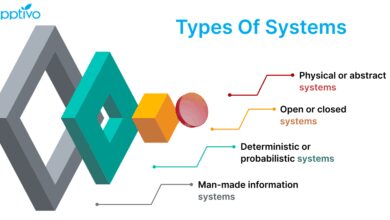
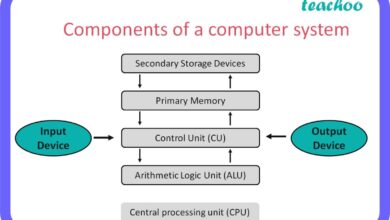
Welcome to the ultimate guide on system analysis—a powerful tool that transforms chaos into clarity, inefficiency into innovation, and complexity into control. Whether you’re in IT, business, or engineering, mastering system analysis is your key to smarter decisions and better outcomes.


What Is System Analysis and Why It Matters

System analysis is the structured process of examining a system—whether technical, organizational, or procedural—to understand its components, functions, and interactions. It’s the foundation for designing, improving, or replacing systems to meet specific goals.
Defining System Analysis in Modern Contexts
Today, system analysis spans industries from software development to healthcare management. It involves identifying problems, gathering requirements, modeling processes, and recommending solutions. According to the IEEE Computer Society, effective system analysis reduces project failure rates by up to 40%.
- It’s not just about technology—it’s about solving real-world problems.
- It bridges the gap between business needs and technical implementation.
- It empowers stakeholders with data-driven insights.
Core Objectives of System Analysis
The primary goal of system analysis is to ensure that a system delivers maximum value with minimal waste. This includes improving efficiency, reducing costs, enhancing user experience, and supporting scalability.
“System analysis is the compass that guides digital transformation.” — TechTarget
The Evolution of System Analysis Over Time
System analysis didn’t emerge overnight. Its roots trace back to the early 20th century with the rise of industrial engineering and operations research. Over time, it evolved alongside computing and management sciences.
From Manual Processes to Digital Transformation
In the 1950s and 60s, system analysis was primarily used in government and military projects. With the advent of mainframe computers, analysts began modeling workflows and data flows manually. By the 1980s, structured methodologies like SSADM (Structured Systems Analysis and Design Method) became popular in the UK.
- The shift from paper-based to digital systems accelerated demand for formal analysis.
- Early tools included flowcharts, data dictionaries, and entity-relationship diagrams.
- Organizations realized that poor analysis led to costly system failures.
Modern Trends Shaping System Analysis
Today, system analysis integrates agile practices, DevOps, cloud computing, and AI-driven analytics. The rise of user-centered design has shifted focus from pure functionality to usability and experience.
For example, platforms like Lucidchart and Visual Paradigm allow real-time collaboration on system models, making analysis faster and more accurate.
Key Principles of Effective System Analysis
To conduct successful system analysis, certain principles must be followed. These act as guiding lights throughout the process, ensuring consistency, accuracy, and stakeholder alignment.
Clarity and Precision in Requirements Gathering
One of the most critical phases in system analysis is collecting accurate requirements. Ambiguity here can lead to misaligned expectations and project overruns.
- Use techniques like interviews, surveys, and workshops to gather input.
- Document both functional (what the system should do) and non-functional (performance, security) requirements.
- Leverage tools like JIRA or Trello for requirement tracking.
Modularity and Scalability in Design
A well-analyzed system should be modular—broken into manageable components that can be developed, tested, and updated independently. This supports scalability and easier maintenance.
“The best systems are built like LEGO—simple pieces that create complex structures.” — MIT Sloan Review
Phases of System Analysis: A Step-by-Step Breakdown
System analysis follows a logical sequence of phases. Skipping or rushing through any stage can compromise the entire project. Let’s explore the seven essential steps.
1. Problem Identification and Scope Definition
Every system analysis begins with a problem. Is the current system too slow? Are users dissatisfied? Is data being lost?
Defining the scope ensures the team knows what’s included—and what’s not. A clear scope prevents “feature creep” and keeps the project focused.
- Ask: What are the pain points?
- Identify stakeholders: Who is affected?
- Set boundaries: What will the new system cover?
2. Information Gathering and Research
This phase involves collecting data about the existing system. Analysts observe workflows, interview users, and review documentation.
Techniques include:
- Observation: Watching how employees use current systems.
- Questionnaires: Gathering feedback from a large user base.
- Document Analysis: Reviewing manuals, reports, and logs.
According to InformIT, 60% of system failures stem from inadequate information gathering.
3. Feasibility Study
Before investing time and money, a feasibility study evaluates whether the proposed system is viable. It assesses four key areas:
- Technical Feasibility: Can we build it with current technology?
- Economic Feasibility: Will the benefits outweigh the costs?
- Operational Feasibility: Will users adopt it?
- Schedule Feasibility: Can it be delivered on time?
This step often uses cost-benefit analysis and risk assessment matrices.
4. System Modeling and Documentation
Once requirements are clear, analysts create models to visualize the system. Common tools include:
- Data Flow Diagrams (DFD): Show how data moves through the system.
- Use Case Diagrams: Illustrate interactions between users and the system.
- Entity-Relationship Diagrams (ERD): Map data structures and relationships.
These models serve as blueprints for developers and testers.
5. Requirements Specification
This phase produces the Software Requirements Specification (SRS) document—a formal description of what the system must do.
- It includes functional specs, performance criteria, and constraints.
- It acts as a contract between clients and developers.
- It’s reviewed and approved by all stakeholders.
A well-written SRS can reduce rework by up to 50%, according to the Software Engineering Institute.
6. Evaluation and Recommendation
After analyzing alternatives (e.g., build vs. buy, cloud vs. on-premise), the analyst presents recommendations.
- Compare options using decision matrices.
- Highlight trade-offs: cost vs. performance, speed vs. security.
- Provide a clear path forward with justification.
7. Transition Planning and Handover
The final phase prepares for implementation. This includes training plans, data migration strategies, and pilot testing.
- Ensure smooth handover to the development team.
- Define success metrics for post-implementation review.
- Plan for change management to ease user adoption.
Tools and Technologies Used in System Analysis
Modern system analysis relies on powerful tools that enhance accuracy, collaboration, and speed.
Diagramming and Modeling Tools
Visual representation is crucial in system analysis. Tools like:
- Lucidchart: Real-time collaborative diagrams.
- Draw.io (diagrams.net): Free, open-source diagramming tool.
- Visual Paradigm: Full-featured UML and BPMN modeling.
Requirements Management Platforms
Managing hundreds of requirements manually is error-prone. Tools help track, prioritize, and validate them.
- JIRA: Widely used in agile environments for backlog management.
- Confluence: For documenting requirements and decisions.
- ReqView: Lightweight tool for small to medium projects.
Simulation and Prototyping Software
Before building, analysts can simulate system behavior.
- Simulink (MathWorks): For engineering and control systems.
- Figma: For UI/UX prototyping and user feedback.
- MockFlow: Rapid wireframing for web and mobile apps.
Common Challenges in System Analysis and How to Overcome Them
Even experienced analysts face hurdles. Recognizing these challenges early improves project outcomes.
Dealing with Vague or Conflicting Requirements
Stakeholders often have different expectations. One department wants speed; another wants security.
Solutions:
- Facilitate joint requirement sessions.
- Use MoSCoW prioritization (Must have, Should have, Could have, Won’t have).
- Prototype early to clarify expectations.
Managing Scope Creep
Scope creep occurs when new features are added without adjusting time or budget.
Prevention strategies:
- Define a clear project charter.
- Require formal change requests for new features.
- Communicate trade-offs transparently.
Ensuring User Adoption and Buy-In
A technically perfect system fails if users reject it.
Best practices:
- Involve end-users early in the analysis phase.
- Conduct usability testing with real users.
- Provide training and support during rollout.
System Analysis in Different Industries
While the core principles remain the same, system analysis is applied differently across sectors.
IT and Software Development
In software projects, system analysis defines what the application should do before coding begins.
- Analysts work closely with developers and product owners.
- Agile methodologies integrate analysis into sprints.
- User stories replace traditional requirement documents in many cases.
Healthcare Systems
Hospitals use system analysis to improve patient care, manage records, and comply with regulations like HIPAA.
- Analyze electronic health record (EHR) workflows.
- Ensure data privacy and system reliability.
- Integrate with insurance and billing systems.
Manufacturing and Supply Chain
Here, system analysis optimizes production lines, inventory management, and logistics.
- Use IoT sensors to collect real-time data.
- Analyze bottlenecks in the supply chain.
- Implement ERP systems like SAP or Oracle.
The Future of System Analysis: AI, Automation, and Beyond
As technology evolves, so does system analysis. Emerging trends are reshaping how analysts work.
AI-Powered Requirement Extraction
Artificial intelligence can now analyze user feedback, emails, and support tickets to automatically extract requirements.
- Tools like IBM Watson and Google NLP can process unstructured data.
- Reduces manual effort in requirement gathering.
- Improves accuracy by identifying patterns humans might miss.
Automated System Modeling
AI-driven tools can generate system models from natural language descriptions.
- For example, input “Users log in, view dashboard, export report” and get a UML diagram.
- Speeds up the design phase significantly.
- Still requires human validation for complex systems.
Integration with DevOps and Continuous Analysis
The future lies in continuous system analysis—where monitoring tools feed real-time performance data back into the analysis loop.
- DevOps pipelines include automated testing and feedback.
- Analysts use dashboards to track system health post-deployment.
- Enables proactive improvements instead of reactive fixes.
Best Practices for Becoming a Top-Notch System Analyst
Success in system analysis isn’t just about tools—it’s about mindset, skills, and discipline.
Develop Strong Communication Skills
Analysts must translate technical jargon into business terms and vice versa.
- Listen actively during stakeholder meetings.
- Write clear, concise documentation.
- Present findings confidently to executives.
Master Analytical and Critical Thinking
The ability to break down complex problems is essential.
- Ask “why” five times to get to root causes.
- Use SWOT analysis (Strengths, Weaknesses, Opportunities, Threats).
- Challenge assumptions and validate data.
Stay Updated with Industry Trends
Technology changes fast. Top analysts continuously learn.
- Follow blogs like TechCrunch and ZDNet.
- Take online courses on Coursera or edX.
- Join professional groups like IIBA (International Institute of Business Analysis).
What is system analysis?
System analysis is the process of studying a system to understand its components, functions, and interactions in order to improve or replace it. It involves gathering requirements, modeling processes, and recommending solutions to meet business or technical goals.
What are the main phases of system analysis?
The main phases include problem identification, information gathering, feasibility study, system modeling, requirements specification, evaluation and recommendation, and transition planning. Each phase ensures a structured approach to solving system challenges.
What tools are commonly used in system analysis?
Common tools include Lucidchart and Draw.io for diagramming, JIRA and Confluence for requirements management, and Figma for prototyping. These tools enhance collaboration, accuracy, and efficiency in the analysis process.
How does system analysis differ from system design?
System analysis focuses on understanding the problem and defining what the system should do. System design, on the other hand, deals with how the system will be built—its architecture, components, and technical specifications.
Can system analysis be applied outside of IT?
Absolutely. System analysis is used in healthcare, manufacturing, finance, logistics, and even education. Any process or organization that can be modeled and optimized benefits from systematic analysis.
System analysis is more than a technical skill—it’s a strategic discipline that drives innovation and efficiency across industries. From defining problems to recommending solutions, it ensures that systems are not just functional, but future-ready. By following structured phases, leveraging modern tools, and embracing emerging technologies like AI, analysts can deliver transformative results. Whether you’re starting your journey or refining your expertise, mastering system analysis is a powerful step toward excellence in any field.
Further Reading: